
What Wall Street said · Oct 19 ~ Oct 24
AI’s Capital Bill Meets the Market
AI demand, funding costs and inflation drove the week.
Executives and investors broadly saw AI demand holding up, but increasingly focused on the capital required to build it. Policymakers tied that spending and geopolitical energy shocks to the inflation and rate outlook.
This week's read
Cautious4
Neutral4
Positive5
Fed & policy
Where are prices and rates headed?
Ueda links prices to AI demand, Ackman sees peace bringing energy costs down, and Warsh declines to pre-signal Fed decisions.
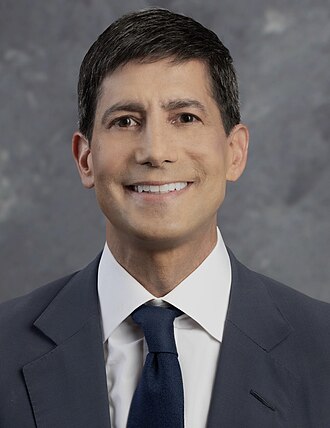
Kevin WarshFed
Neutral· Data dependentFed Chair · article Oct 19 · fireside chat with the IMF managing director in Bangkok
Warsh refuses to signal rate path
“I don't prejudge meetings. I don't believe in saying now what I might do at the meetings that we have in the balance of this year”
For investors Treasury yields and rate-sensitive growth stocks lack a Fed policy cue; the next meeting decision and inflation data are the confirmation points.

Kazuo UedaBOJ
Cautious· Inflation riskBank of Japan Governor · Oct 19 · parliament
AI demand adds to price pressure
“Very strong global AI demand is boosting capital expenditure and exports, thereby pushing up prices for a wide range of goods”
For investors AI supply-chain demand can sustain pricing pressure; Japan inflation data and BOJ rate decisions are the key checks.
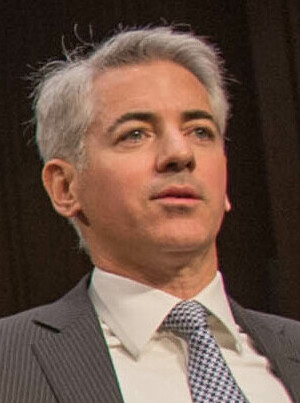
Bill AckmanPershing Square
Positive· Market optimismPershing Square CEO · Oct 22 · CNBC's "Squawk on the Street"
Peace could ease energy and inflation
“Once the overhang of the war is done - and it sounds like we're also potentially heading in the right direction with Russia-Ukraine - energy prices could come way down, and obviously that would be very good for inflation and markets”
For investors Oil-sensitive inflation expectations and broad equities hinge on energy prices; geopolitical developments and inflation reports would test the view.
Big Tech & AI
How far will companies take AI?
Zuckerberg seeks earlier AI revenue, Huang and Moynihan stress safeguards, and Solomon questions broad frontier-model demand.
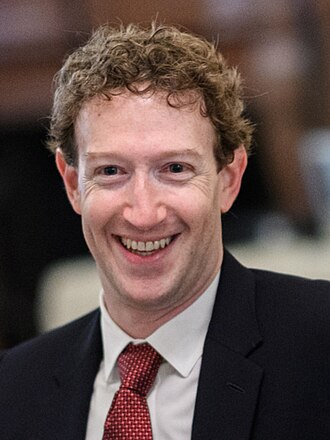
Mark ZuckerbergMETA
Positive· AI monetizationMeta CEO · article Oct 21 · earnings conference call with analysts
Meta seeks earlier Muse monetization
“My guess is, I think that we are going to work on monetization somewhat sooner on this than our normal playbook”
For investors META’s AI spending case increasingly rests on Muse revenue; product rollout and future revenue disclosures are the confirmation points.
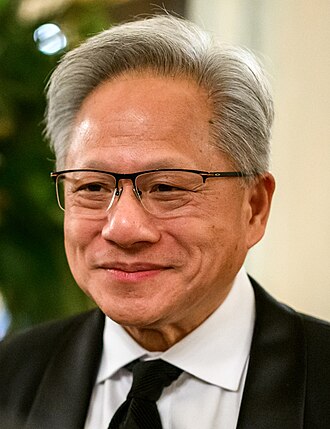
Jensen HuangNVDA
Positive· AI confidenceNVIDIA CEO · article Oct 21 · Nvidia's GTC Berlin conference
AI capability must include safety
“We have to accelerate AI safety, and safety technology and capability to me is one and the same ... As much as it is capable, you want it to be safe. The two of them are really one and the same. And so in the future, as we develop these AI capabilities, safety will come along with it”
For investors NVDA’s enterprise AI opportunity depends on secure deployment of agents; adoption of zero-trust practices is a key indicator.
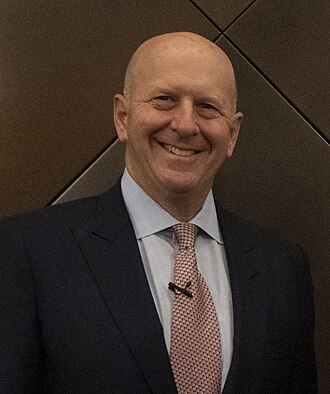
David SolomonGS
Cautious· Demand cautionGoldman Sachs CEO · article Oct 23 · launch of Goldman Sachs' Small Business AI Institute
Most work does not need frontier AI
“But there's very little that we do where we need frontier models”
For investors Enterprise AI demand may favor lower-cost tools over frontier models; corporate AI budgets and deployment disclosures are the key evidence.
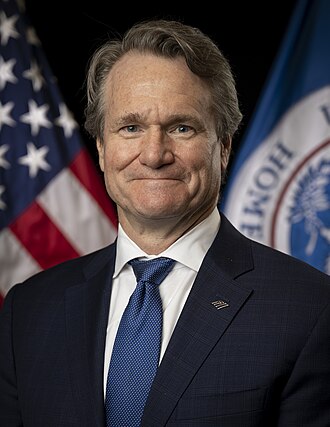
Brian MoynihanBAC
Neutral· Risk controlsBank of America CEO · article Oct 19 · CNBC
Banks want human approval for AI payments
“We strongly believe there should be a human in the loop to authorise money moving out of your account”
For investors BAC and bank AI-payment adoption face authorization controls; new liability protocols and regulator guidance are the key markers.
Market calls
Bubble or real strength?
Griffin and Siegel point to bubble and capital-cost risks, Dimon sees a sound economy, and Lee calls the debt market's check on AI speculation healthy.
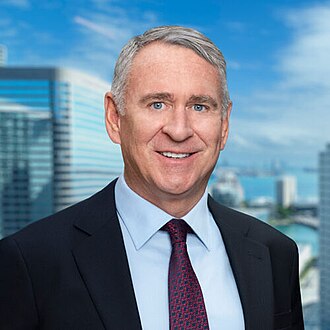
Ken GriffinCitadel
Cautious· Bubble warningCitadel CEO · Oct 20 · Citadel's annual Future of Global Markets Conference in New York
Economic revolutions come with bubbles
“Any radical transformation of our economy is generally intertwined with a bubble”
For investors NVDA and QQQ face valuation risk even if AI produces lasting leaders; earnings durability and AI spending returns are the tests.

Jeremy SiegelWharton
Cautious· Rate pressureWisdomTree senior economist · article Oct 22 · WisdomTree commentary
AI buildout drives long-term rates
“The biggest driver of long-term rates right now is not oil and may not even be what the Federal Reserve does at its next meeting. It is the enormous demand for capital associated with the AI buildout”
For investors QQQ and long-duration technology valuations depend on funding costs; long-term Treasury yields and AI capital spending are the checks.
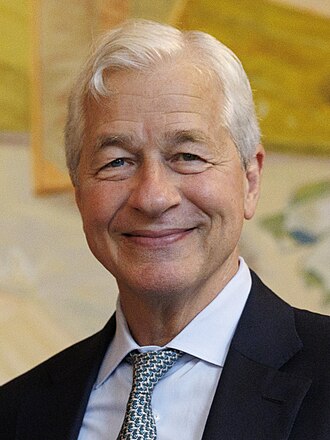
Jamie DimonJPM
Positive· Economic strengthJPMorgan Chase CEO · Oct 19 · Wall Street Journal's Leadership Institute
Dimon sees healthy household and corporate balance sheets
“Corporations are not overleveraged. Consumers are not leveraged. Unemployment is really low”
For investors JPM and consumer-facing equities are supported by resilient borrowers and employment; unemployment data and consumer credit trends are the checks.
Tom LeeFundstrat
Positive· Constructive correctionFundstrat research head · article Oct 23 · CNBC interview
Debt markets restrain AI speculation
“I think it's actually really healthy that the debt markets are sort of preventing a runaway speculative boom in AI. So I think it's actually a very healthy correction that way”
For investors AI-linked technology shares depend on credit conditions staying orderly; corporate borrowing costs and debt-market stress are the indicators.
Companies
What are companies' next moves?
Musk keeps a Tesla-SpaceX deal uncertain, while Walmart targets Amazon and Costco membership fees.
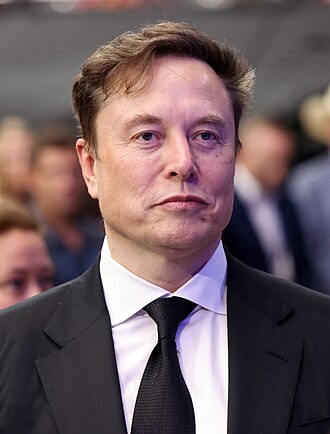
Elon MuskTSLA
Neutral· Deal uncertaintyTesla and SpaceX CEO · Oct 20 · SpaceX's third-quarter earnings call
Tesla-SpaceX merger remains uncertain
“some people out there assume that a SpaceX and Tesla merger is a certainty, and I think that would be overstating it”
For investors TSLA’s corporate structure and potential SpaceX tie-up remain unsettled; any committee agreement or transaction terms would be the confirmation point.
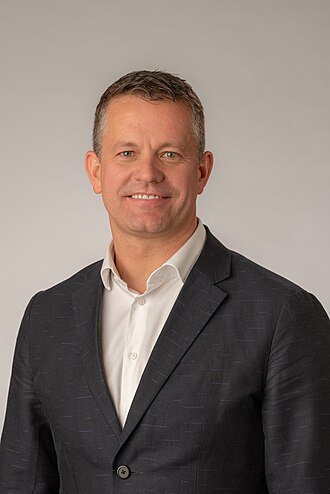
John FurnerWMT
Neutral· Competitive pushWalmart CEO · article Oct 20 · statement announcing the new Sam's Club membership bundle
Walmart targets rival membership fees
“Consider what people may be paying today: $139 for a retail membership with delivery. $130 for a warehouse club”
For investors WMT, AMZN and COST membership competition centers on customer retention and fee value; membership growth and renewal metrics are the checks.